Philippine immigration authorities have confirmed that the father and son accused of carrying out one of Australia’s deadliest mass shootings spent almost the entire month of November in the Philippines, shortly before the attack shocked the nation.
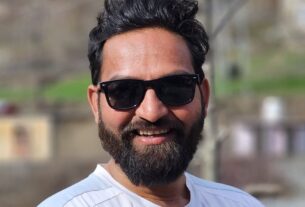
According to officials in Manila, Sajid Akram and his son Naveed Akram arrived together in the Philippines on November 1 after flying from Sydney. Immigration records show that Sajid Akram entered the country as an Indian national, while his son traveled on an Australian passport. Both listed Davao, a city in the southern province of Mindanao, as their final destination.
Immigration spokeswoman Dana Sandoval stated that the two men departed the Philippines on November 28, flying from Davao to Manila before boarding a connecting flight back to Sydney. Earlier reports from police and military sources had indicated that authorities were still verifying whether the suspects had indeed been in the country, but immigration data has now confirmed their presence and travel timeline.
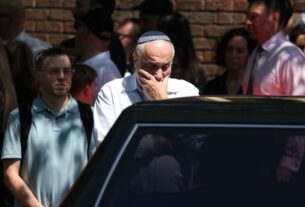
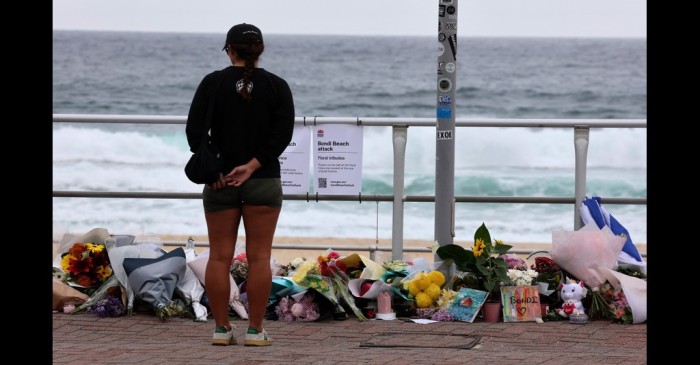
The suspects are accused of killing 15 people and injuring dozens during a Hanukkah celebration at Sydney’s Bondi Beach, an attack that has left Australia reeling. Australian Prime Minister Anthony Albanese said the men were likely radicalised by Islamic State ideology, adding to concerns about international extremist influence.
Mindanao, where Davao is located, has a long and troubled history of Islamist insurgencies. Groups such as the Maute faction and Abu Sayyaf, some aligned with Islamic State, drew global attention in 2017 when they seized the city of Marawi. That siege lasted five months, claimed more than 1,000 lives, and displaced hundreds of thousands before Philippine forces regained control.
Although militant activity in the region has declined significantly in recent years, Philippine security forces continue operations against individuals and groups officially designated as terrorists.
At the heart of this developing story are not just border records and intelligence briefings, but real human lives forever changed. Families are grieving, communities are shaken, and questions remain about how radicalisation crossed borders unnoticed. As investigations continue across countries, the tragedy serves as a sobering reminder that extremism does not respect geography, and vigilance, cooperation, and compassion are more important than ever.