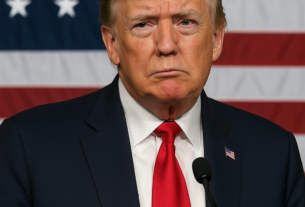

Federal funding in the United States is once again under serious threat after the deaths of two American citizens sparked sharp resistance in the Senate against upcoming government spending bills linked to former President Donald Trump’s policies.
On Saturday, multiple US senators announced they would oppose the next round of funding legislation following the killing of a second American citizen by federal agents in Minneapolis. Their opposition has significantly raised the risk of a government shutdown as early as next week.
Funding for major parts of the federal government, including the Department of Homeland Security and the Pentagon, is set to expire on January 31. While the Republican-controlled House of Representatives has already approved a funding extension through September, the bill still needs Senate approval to become law.
Although Republicans hold a slim majority in the 100-member Senate, they do not have enough votes to pass the spending package on their own. Democratic support is required, and that support is now rapidly eroding. Republicans had hoped to win over a handful of Democratic senators, even though the bill includes full funding for the Department of Homeland Security, the agency central to Trump’s aggressive immigration agenda.
Democratic Senator Catherine Cortez Masto of Nevada, considered a potential swing vote, publicly rejected the Homeland Security funding bill following the latest shooting. She criticized the administration and DHS leadership for deploying federal agents she described as undertrained and aggressive, operating with little accountability.
The most recent victim, Alex Pretti, a 37-year-old nurse from Minneapolis, was killed just three weeks after another Minnesota resident, 37-year-old Renee Good, was also fatally shot by a federal agent. The close timing of the two incidents has intensified scrutiny and outrage among lawmakers.
Senator Mark Warner of Virginia echoed this sentiment, calling for an end to what he described as a brutal federal crackdown. He stated that he could not support continued funding for DHS while violent federal actions in US cities persist.
The United States is no stranger to shutdowns. The longest government shutdown in history ended last November after 43 days, during which hundreds of thousands of federal workers were furloughed or forced to work without pay if deemed essential.
With Senate rules requiring 60 votes to pass spending bills, the growing number of Democrats withdrawing support makes another shutdown increasingly likely, potentially just two months after the last one ended.