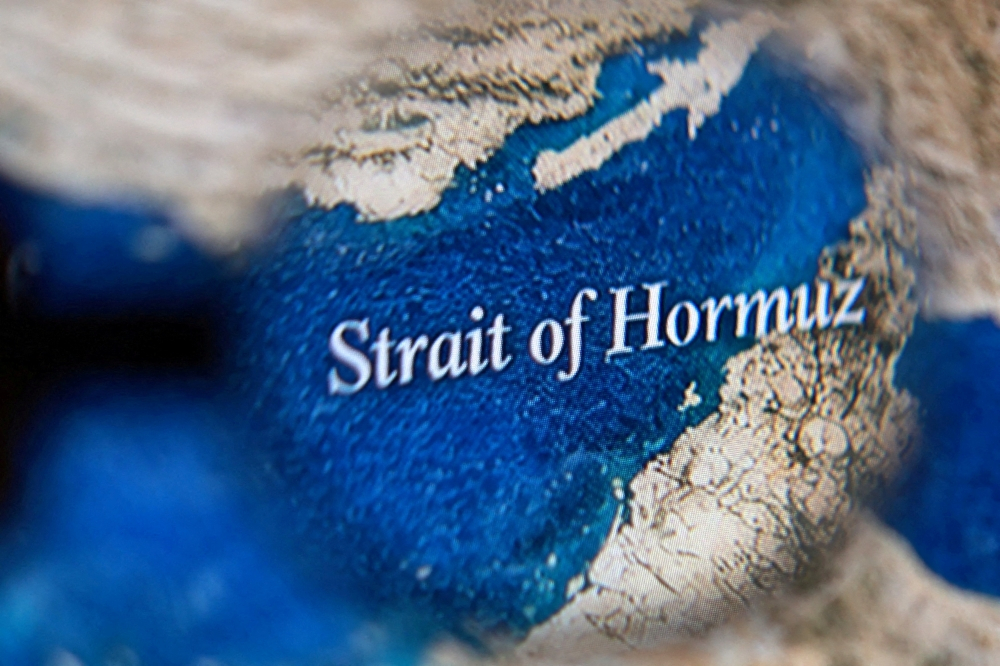
Oman has announced the launch of emergency maritime routes through the Strait of Hormuz, declaring the existing shipping lanes unsafe due to growing security concerns in the region.
The Sultanate confirmed that the strategic waterway will remain open to international shipping and that no transit fees or tolls will be imposed on vessels using the strait. To support safe navigation, Oman has established two temporary corridors located north and south of the current shipping lanes.
The decision comes amid heightened tensions following the conflict involving the United States, Israel, and Iran, which has significantly disrupted maritime traffic and shaken global energy markets. Before the conflict, the Strait of Hormuz handled nearly one-fifth of the world’s oil and liquefied natural gas supplies, making it one of the most important shipping routes on the planet.
In collaboration with the International Maritime Organization (IMO), Oman introduced the temporary routes to facilitate the secure departure of vessels from the region. The country’s maritime authorities stated that the existing Traffic Separation Scheme, the internationally recognized routing system in the strait, is currently considered unsafe for navigation.
Oman emphasized that these measures reflect its responsibility to safeguard one of the world’s most critical maritime corridors while upholding international law and ensuring freedom of navigation. Authorities also highlighted that navigational safety remains the highest priority, warning that increased maritime risks have elevated the possibility of collisions and operational disruptions.
Under a phased plan coordinated between the IMO and Omani authorities, vessels will be grouped and contacted individually with instructions regarding departure times and designated routes. Ships will first proceed to a waiting area in international waters before receiving clearance to continue their journey. Vessels using Oman’s eastbound route will be required to maintain constant communication with coastal authorities and strictly follow navigational directives.
The Omani government also reminded shipowners and vessel operators that they remain responsible for conducting independent risk assessments before embarking on voyages. Ships have been instructed to keep their Automatic Identification System (AIS) active throughout transit and immediately report any navigational hazards to the Oman Maritime Security Centre.
Importantly, Oman reiterated that no charges will be imposed on ships passing through the Strait of Hormuz. This position aligns with recent understandings reached between the United States and Iran regarding commercial shipping through the region.
Meanwhile, Iran and Oman have initiated discussions concerning the future administration of navigation and maritime services in the waterway. Although an interim agreement allows commercial vessels to transit freely for 60 days without fees, both countries are expected to explore longer-term arrangements, including potential frameworks governing maritime services beyond that period.
The latest developments underscore the Strait of Hormuz’s immense strategic significance. Any disruption in this narrow passage has immediate implications for global trade, energy security, shipping costs, and the stability of international markets. By opening emergency routes and maintaining unrestricted access, Oman is seeking to preserve maritime safety while helping prevent further shocks to the global economy during a period of extraordinary geopolitical uncertainty.