
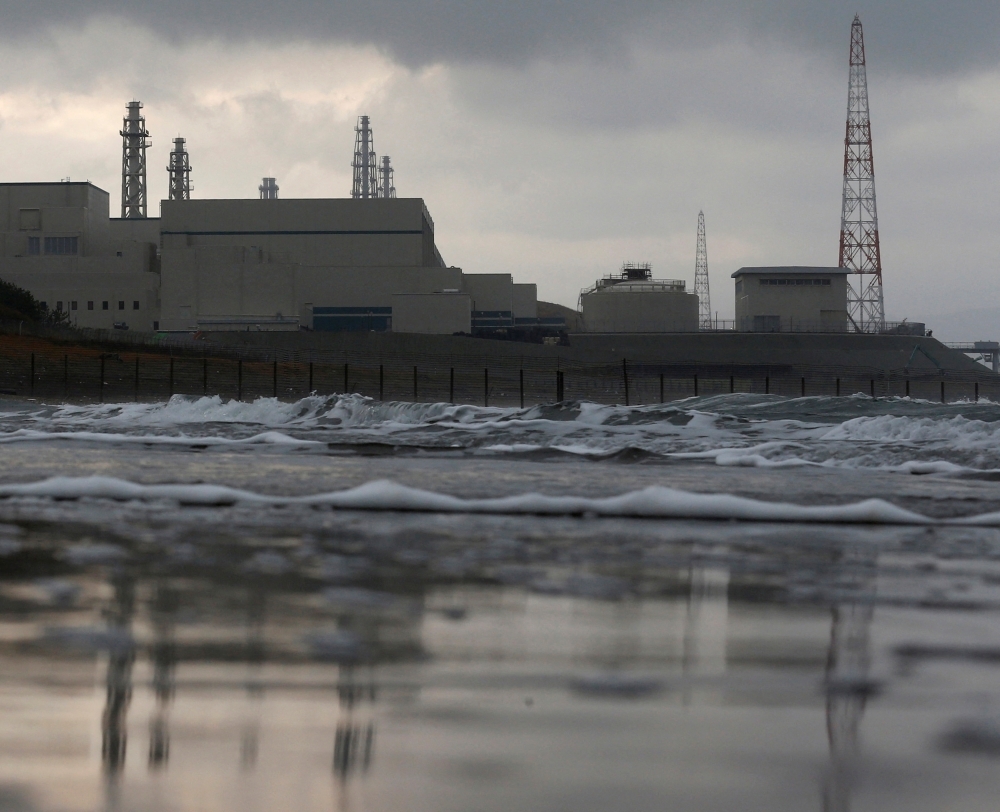
In a major step toward revitalizing Japan’s nuclear energy sector, Niigata Prefecture Governor Hideyo Hanazumi has approved the partial restart of the Kashiwazaki-Kariwa nuclear power plant, the world’s largest. This move clears the final major regulatory obstacle for Tokyo Electric Power Co (Tepco) to bring one or two of the facility’s biggest reactors back online.
Before the restart can take place, Hanazumi will seek a vote of confidence from the prefectural assembly, scheduled to begin its regular session on December 2.
If approved, this will mark Tepco’s first reactor restart since the March 2011 tsunami devastated the Fukushima Daiichi plant, forcing Japan to shut down all 54 nuclear reactors operating at the time. The disaster left the nation heavily reliant on imported fossil fuels, vulnerable to price fluctuations and supply disruptions.
Local residents remain divided over the restart, with some supporting the economic and energy security benefits, while others remain concerned about safety. Hanazumi emphasized that sharing accurate safety information is essential to increasing awareness and trust among those living near the plant.
Prime Minister Sanae Takaichi, who assumed office last month, has expressed support for additional nuclear restarts to enhance energy security and reduce Japan’s dependence on imported fuel, which makes up 60 to 70 percent of the country’s electricity generation. Last year, Japan spent ¥10.7 trillion (around RM282 billion) on imported liquefied natural gas (LNG) and coal, representing roughly a tenth of its total import costs.
Chief Cabinet Secretary Minoru Kihara highlighted the importance of the restart, saying it is “extremely important from the perspective of reducing electricity prices and securing decarbonized power sources.”
Of the 54 reactors that were operational before the Fukushima disaster, Japan has restarted 14 of the 33 that remain operable. Tepco plans to bring online units No. 6 and No. 7, which together can generate 2,710 megawatts—roughly one-third of Kashiwazaki-Kariwa’s total capacity of 8,212 MW. Some of the facility’s remaining five units are slated for decommissioning.
In October, Tepco completed checks on the No. 6 reactor after fuel loading and confirmed that the main systems required for startup were functioning properly. Analysts at Kpler have already revised Japan’s LNG import estimates down by three million metric tons for next year, reflecting the potential impact of these nuclear restarts.
Meanwhile, Kansai Electric Power, Japan’s top nuclear operator, announced in July that it would begin preliminary surveys for a new reactor in western Japan, marking the first new nuclear unit since Fukushima.
Despite Tepco shares closing slightly down today due to reports of mishandled confidential documents, the company continues to manage compensation claims stemming from the 2011 Fukushima disaster—the world’s worst nuclear accident since Chernobyl.
This decision marks not only a technical and economic milestone for Japan but also a deeply human one. Communities, policymakers, and energy companies are now navigating a delicate balance between energy security, environmental responsibility, and public trust—a conversation that affects everyday lives across Japan and beyond.