
Thailand’s government has announced a significant development that could help stabilize the country’s energy supply. Prime Minister Anutin Charnvirakul confirmed that Thailand has successfully reached an agreement with Iran to ensure Thai oil tankers can safely pass through the Strait of Hormuz, one of the world’s most important and sensitive shipping routes.
Speaking during a press conference, the prime minister explained that the deal allows Thai vessels carrying oil to transit the strait without disruption. This announcement comes at a time when many countries remain cautious about shipping routes linked to global energy transport, particularly in regions that play a critical role in supplying fuel to the world.
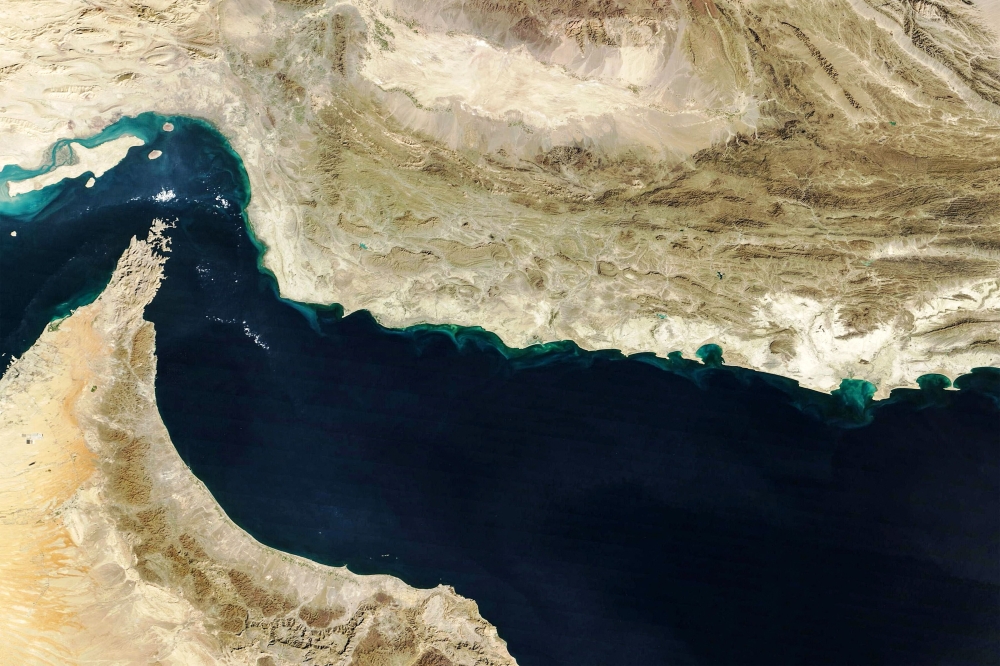
The Strait of Hormuz is a narrow waterway that connects the Persian Gulf to the open ocean and is used daily by a large portion of the world’s oil shipments. Because so much global energy flows through this route, any uncertainty surrounding it can quickly affect oil markets and fuel availability in different countries. For Thailand, which relies on imported energy to power industries, transportation, and daily life, maintaining stable access to oil is extremely important.
According to the prime minister, this agreement with Iran helps reduce concerns that had been growing about the safety and reliability of fuel imports. With a clear understanding now in place, Thai oil companies and shipping operators can move forward with greater confidence, knowing their vessels will be able to travel through the route without unexpected obstacles.
The announcement also signals a step toward diplomatic cooperation aimed at keeping critical trade routes open. Ensuring that oil shipments move smoothly is not only important for Thailand’s economy but also for maintaining stability in regional and global energy supply chains.
For businesses, logistics companies, and citizens alike, the deal provides reassurance. Fuel availability affects everything from transportation costs to electricity generation and manufacturing operations. When shipping routes remain secure, it helps prevent disruptions that could impact daily life and economic activity.
At a human level, decisions like this matter far beyond politics and international agreements. When governments work to protect supply routes and secure essential resources, it ultimately supports ordinary people who rely on stable energy access to run businesses, travel, and support their families. Stability in energy supply often translates into stability in everyday life, which is why developments like this are closely watched around the world.