US President Donald Trump has called on the international community to help secure a critical shipping lane in the Gulf, as the ongoing conflict with Iran shows no signs of slowing down. The war, which erupted after US and Israeli strikes on Iran, has already caused devastating consequences across the region, with attacks hitting both the US embassy in Baghdad and a major energy facility in the UAE.
Two weeks into the conflict, the Gulf remains tense, with Lebanon also experiencing deadly clashes as Israeli forces battle the Tehran-backed group Hezbollah. Iran’s control over the Strait of Hormuz has sent oil prices soaring by 40 percent, while energy facilities have faced repeated attacks.
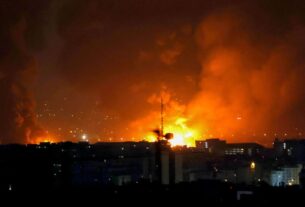
AFP journalists reported massive plumes of black smoke over Fujairah, home to a key Emirati oil storage terminal, shortly after Iran warned civilians to avoid port areas. Meanwhile, the US embassy in Baghdad was struck by a drone — the second attack of its kind — and the Emirati consulate in Iraqi Kurdistan faced a similar assault for the second time in a week.
Authorities in Iraq and Kuwait have urged citizens to exercise extreme caution. In Kuwait, a drone strike damaged the international airport’s radar system, though thankfully no injuries were reported.
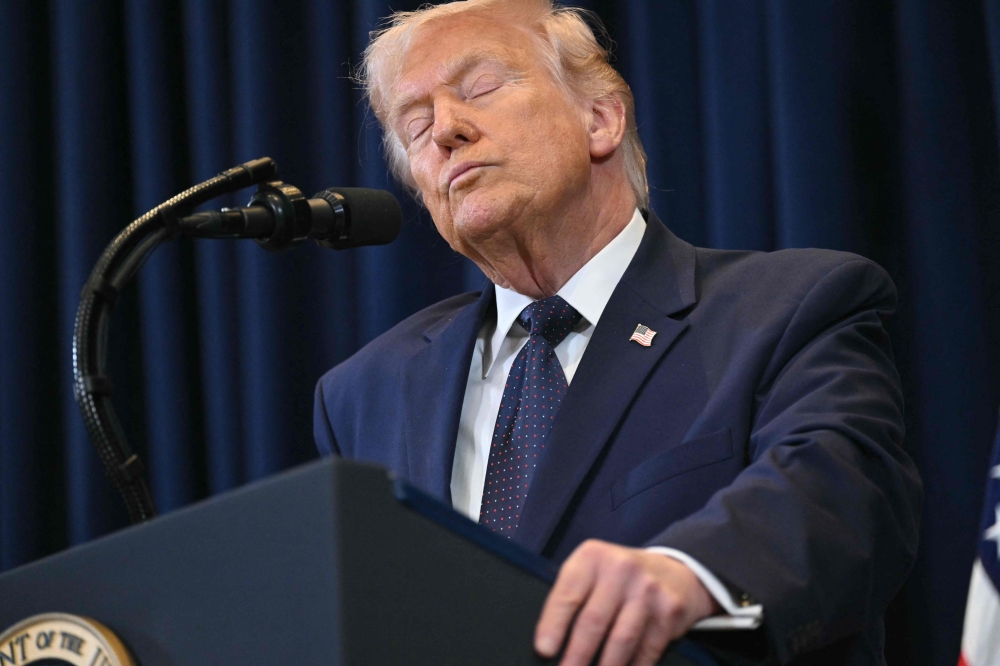
Trump, emphasizing the strategic importance of the Strait of Hormuz, said many nations, including China, France, Japan, South Korea, and Britain, may send warships to help keep the passage open and secure. He reassured that while the US had “beaten” Iran, other countries dependent on the strait must also contribute to maintaining its safety.
The conflict has intensified with US forces targeting Kharg Island, Iran’s main oil export hub, while Iran continues to launch missile strikes in retaliation. Israel has called this period a “decisive phase” of the war, yet Iran appears determined to continue fighting despite heavy bombardment.
Reports of casualties and displacement are mounting. The UN refugee agency estimates up to 3.2 million people have been forced to flee their homes, while Iran claims over 1,200 deaths from US and Israeli strikes. Lebanon is grappling with its own humanitarian crisis as Israel and Hezbollah clash, displacing hundreds of thousands.
Beyond the immediate geopolitical impact, the war has begun affecting global events. Motorsport’s governing body has canceled April’s Formula One races in Bahrain and Saudi Arabia due to security concerns.
Despite these dark times, local communities, international organizations, and journalists on the ground are calling for calm, humanitarian aid, and dialogue. Amid the destruction and fear, ordinary families in Lebanon, Iraq, Iran, and the Gulf are seeking moments of safety, hope, and resilience, reminding the world that behind every news headline are real lives yearning for peace.