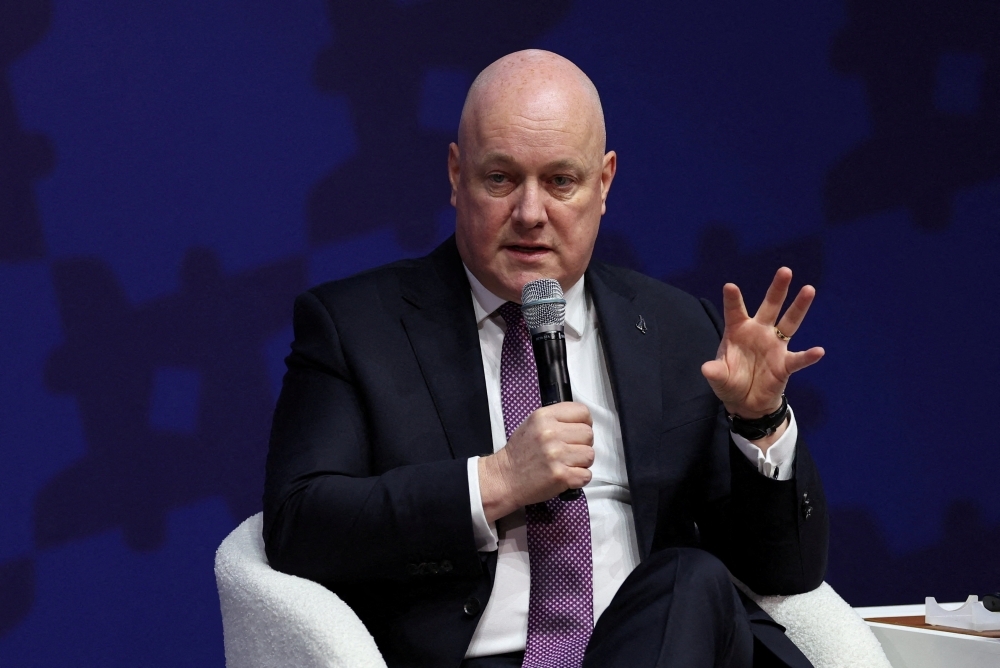
New Zealand will head to the polls on November 7 after Prime Minister Christopher Luxon officially announced the date for the country’s next general election. The announcement sets the stage for a high-stakes political contest, with the government highlighting progress on the economy and crime while the opposition questions the timing and direction of leadership.
Speaking to reporters, Luxon said the election date was chosen after careful consideration, noting that it falls shortly after major national sporting events, including a high-profile All Blacks home match against Australia. In a sports-loving nation, the calendar mattered, but Luxon emphasized that the real focus should be on the country’s direction and future.
The prime minister used the announcement to promote what he described as strong economic momentum under his leadership. According to Luxon, business and consumer confidence are improving, construction and manufacturing activity are accelerating, and exports are performing strongly. He also pointed to inflation falling sharply, from around seven percent under the previous government to below three percent today.
Luxon further highlighted international trade progress, particularly a free trade agreement with India. He said legislation to formally enshrine the agreement is expected to pass later this year, calling it a major step toward expanding New Zealand’s global economic reach.
On law and order, Luxon claimed measurable improvements. He said police visibility has increased, the number of crime victims has dropped significantly, youth offending is down, and ram raids have fallen dramatically. According to him, these outcomes reflect his government’s commitment to restoring public safety and accountability.
Recent polling, however, suggests the race will be close. A Taxpayers Union/Curia survey released last month showed the opposition Labour Party slightly ahead of Luxon’s National Party. Despite this narrow lead, the poll indicated that Luxon’s coalition could still retain power with the support of its partner parties.
Opposition Labour leader Chris Hipkins criticized the prime minister’s decision to schedule the election in November, calling it unusually late by New Zealand standards. He suggested the timing reflected political anxiety rather than confidence.
Hipkins argued that elections are typically held in October and said the later date signals an attempt by Luxon to extend his time in office. He also drew a sharp contrast between the two parties’ approaches, stating that Labour would campaign on optimism and solutions rather than what he described as negativity and cuts from the current government.
The last general election, held on October 14, 2023, resulted in a change of leadership and set the tone for the political shifts now under scrutiny.
As New Zealand moves toward November 7, voters are being asked to reflect on the past two years, weigh competing narratives of progress and pressure, and decide what kind of leadership they want for the road ahead. Beyond statistics and speeches, this election will ultimately be about everyday lives, future opportunities, and the direction a nation chooses at a defining moment.