
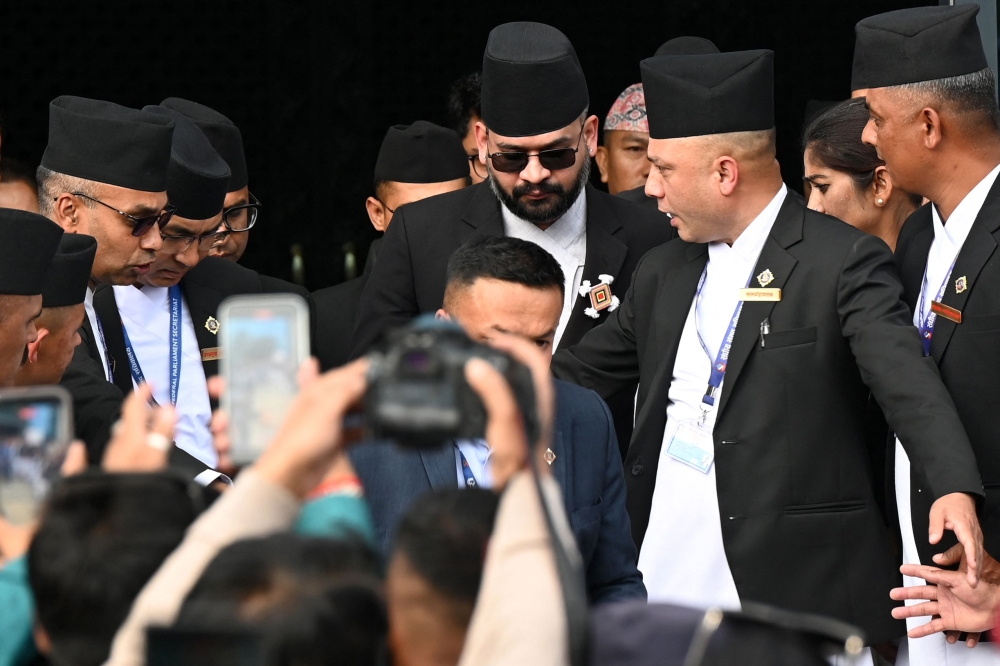
Nepal is stepping into a new political chapter as Balendra Shah, widely known as Balen, prepares to be sworn in as the country’s prime minister. The 35-year-old, once recognized primarily for his rap music and outspoken voice for youth issues, has now become the face of a powerful political shift driven by younger generations demanding change.
Shah’s journey from music to politics has captured national and international attention. Earlier this month, his reform-focused campaign resonated strongly with voters, especially young people who have long called for transparency, opportunity, and stronger governance. His party secured a commanding victory in the March 5 elections, winning 182 seats in Nepal’s 275-member House of Representatives. This landslide win reflects a growing public desire to reshape the country’s political direction.
The political momentum behind Shah’s rise comes just months after a turbulent period in Nepal’s recent history. A youth-led uprising in 2025 shook the nation, fueled by frustration over corruption, economic challenges, and limited opportunities. What began as protests over a short-lived social media ban quickly grew into a wider movement demanding accountability and reform. The protests turned deadly, with dozens of lives lost, leaving a lasting impact on the nation and intensifying calls for change.
After his election victory, Shah broke his silence in a way that felt true to his roots. Instead of a traditional speech, he shared a rap song as his first public message to the nation. The track quickly gained traction online, attracting millions of views within a short time. Through his lyrics, he called for unity, courage, and collective effort to rebuild the country. The message struck a chord with many citizens who see him as a leader representing a new political energy.
In the song, Shah expressed determination and resilience, portraying himself as ready to face the challenges ahead while standing alongside the people who supported his rise. The video accompanying the song included moments from his campaign trail, showing the connection he built with voters during the election period.
Throughout the campaign, Shah worked closely with Rastriya Swatantra Party president Rabi Lamichhane, a well-known television personality and former deputy prime minister. Lamichhane continues to play an influential role within the party and is expected to remain a key figure in the country’s political landscape as the new government takes shape.
Later today, Shah will officially take the oath of office as Nepal’s prime minister, marking a historic moment for the Himalayan nation. His leadership symbolizes a generational shift in a country where many citizens have grown increasingly eager for reform and fresh ideas.
Outgoing interim prime minister Sushila Karki addressed the nation in a farewell broadcast shortly after Shah’s message was released. Having led the caretaker government for six months, she expressed confidence that the new leadership would work toward tackling corruption, strengthening governance, and creating more opportunities for the people of Nepal. According to her, the country’s progress now depends on unity, honesty, and the collective efforts of its citizens.
Karki also confirmed that a report investigating the government crackdown during the protests will be released. The investigation has drawn significant public interest, especially among families and communities affected by the violence. A leaked version of the findings reportedly recommended legal action against several former officials connected to the events during the uprising.
Among those mentioned in the recommendations was former prime minister KP Sharma Oli, a veteran political figure who has served multiple terms in office. Oli was defeated by Shah in his own constituency during the recent election, a result that many observers see as a strong signal of shifting political sentiment within the country.
The report also suggested investigations involving other officials responsible for internal security and law enforcement at the time. According to the document, while no direct order to open fire on protesters was established, authorities were criticized for failing to prevent further casualties once violence escalated. The findings indicate that several victims died from gunshot wounds during the protests, deepening public demand for accountability and justice.
As Nepal moves forward, Shah’s leadership carries significant expectations. Supporters hope his government will focus on economic recovery, job creation, and rebuilding trust between the public and state institutions. For many young citizens, his victory represents more than just a political change—it symbolizes the possibility of a new direction for the country.
What makes Shah’s story particularly compelling is how it reflects the changing nature of leadership in the modern world. A rapper who once used music to highlight social issues has now stepped into one of the most powerful roles in the nation. His rise shows how voices from outside traditional political circles can influence and reshape national conversations.
For ordinary people watching this moment unfold, the story is not just about politics. It is about hope, resilience, and the belief that change can come from unexpected places. Nepal’s future will depend not only on its leaders but also on the unity and determination of its people to build a more stable and inclusive nation together.
In many ways, Shah’s journey mirrors the aspirations of a younger generation across the world—people who want leaders who understand their struggles, speak their language, and are willing to challenge old systems to create new opportunities. As he steps into office, the real test begins: turning promises into progress and energy into lasting reforms.
Nepal now stands at a crossroads, and the coming years will show whether this new wave of leadership can deliver the transformation so many citizens have been waiting for.