
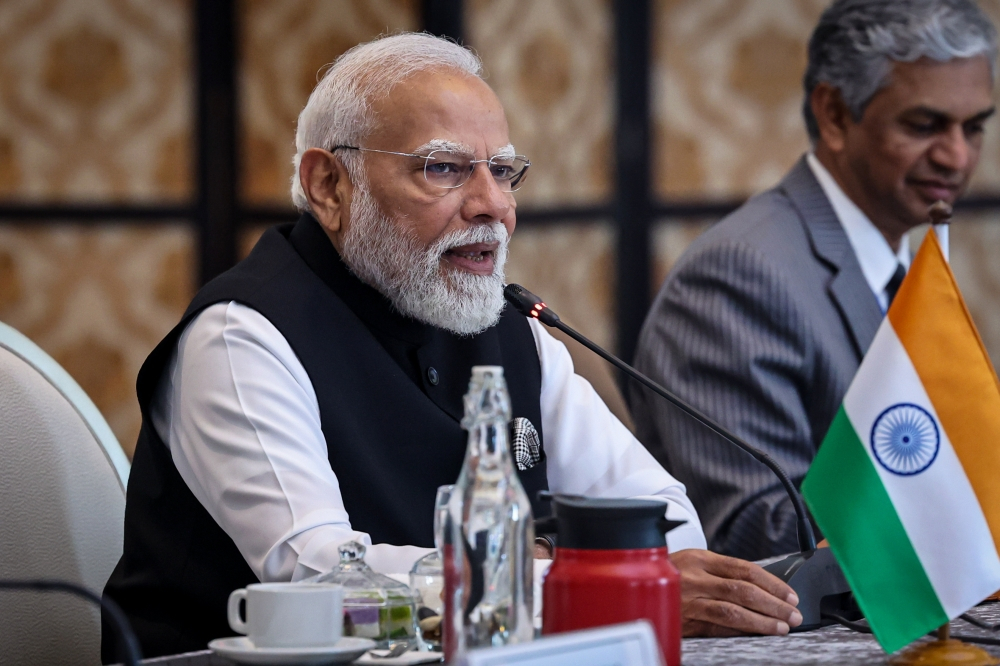
India is witnessing a major political moment as Prime Minister Narendra Modi pushes forward a bold proposal to reshape the country’s parliamentary structure. The plan aims to expand parliament by nearly two-fifths and reserve one-third of seats for women, a move the government calls historic—but one that has triggered strong opposition.
Ahead of a special parliamentary session, Modi emphasized the importance of empowering women in governance. The proposal includes fast-tracking a 2023 law that guarantees 33 percent reservation for women in parliament, a significant leap from the current representation of just 14 percent in the 543-member Lok Sabha.
Parliamentary Affairs Minister Kiren Rijiju echoed this sentiment, stating that political parties are united in principle when it comes to giving women their rightful place in leadership. However, unity appears to end there.
To implement the expansion, the government plans to redraw parliamentary boundaries based on population data from the last completed census in 2011. This redistricting—known as delimitation—would increase the total number of seats to over 800.
Critics argue that this move could disproportionately benefit the ruling Bharatiya Janata Party, which has strong support in the densely populated northern regions of India. Opposition leaders fear that states in the south, with comparatively lower population growth, could lose influence in parliament.
Opposition leader Rahul Gandhi voiced concerns, saying that while his party supports increasing women’s representation, the government’s approach appears politically motivated. He accused the ruling party of attempting to consolidate power through strategic redrawing of boundaries.
Similarly, M. K. Stalin strongly opposed the proposal, warning that it could marginalize southern states like Tamil Nadu. His remarks reflect a broader चिंता among regional leaders who see the plan as a threat to federal balance.
The bill requires a two-thirds majority in parliament to pass, with debates scheduled over three days. If approved, the changes would take effect by the 2029 general elections.
Opposition parties are also calling for the government to wait for the results of the ongoing national census, launched recently, arguing that updated data would provide a fairer basis for redrawing constituencies.


