
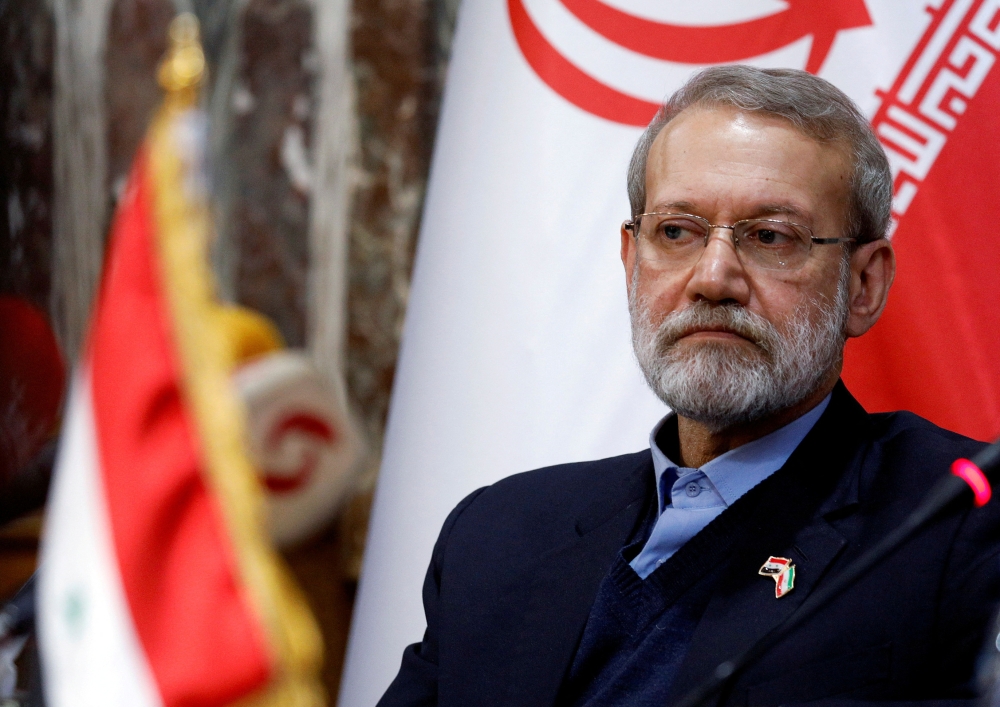
Iran is set to hold a state funeral on Wednesday for its slain security chief, Ali Larijani, marking a moment of national mourning amid rapidly escalating tensions in the region. The announcement comes as Iran launches retaliatory missile strikes against Israel, following an airstrike that killed the influential leader.
The latest exchange of attacks has already resulted in casualties. Near Tel Aviv, two people were killed after a barrage of Iranian missiles struck close to the country’s economic center. At the same time, several Gulf nations reported intercepting drones and rockets aimed at strategic locations, including military installations hosting U.S. forces.
In Lebanon, the conflict continues to spill across borders. Israeli airstrikes targeted multiple locations, including central Beirut, where heavy smoke was seen rising from impacted areas. The strikes follow increased involvement from Iran-backed groups in the region.
Iranian media confirmed that funerals for Larijani and Gholamreza Soleimani will be held in Tehran. Both figures were key pillars in Iran’s military and political structure, and their deaths signal a significant shift in the country’s leadership dynamics.
Larijani’s killing marks one of the most high-profile losses for Iran since the outbreak of hostilities triggered by joint actions from Israel and the United States earlier this year. The broader conflict has already reshaped alliances and intensified instability across the Middle East.
Iranian military officials, including army chief Amir Hatami, have issued strong warnings, signaling that retaliation will be both decisive and far-reaching. The country’s Revolutionary Guards echoed this stance, describing Larijani’s death as a turning point that could ignite further escalation.
Beyond the battlefield, the conflict is sending shockwaves through the global economy. Iran has moved to disrupt oil shipments through the strategically vital Strait of Hormuz, a route responsible for a significant portion of the world’s crude oil supply. As a result, oil prices have surged, raising concerns about global economic stability.
Iran’s Foreign Minister Abbas Araghchi warned that the consequences of the conflict are only beginning to unfold, suggesting wider global implications in the days ahead.
Meanwhile, the United States has intensified its military operations, targeting Iranian missile infrastructure near coastal areas to secure international shipping lanes. President Donald Trump emphasized that the U.S. is prepared to act independently, even as some allies remain cautious about deeper involvement.
International reactions remain divided. Turkey criticized Israel’s targeted killings as violations of international norms, while Israeli leadership has continued to signal its intent to pursue high-level Iranian figures, including the newly appointed leader Mojtaba Khamenei.
As the conflict expands, civilians are increasingly bearing the cost. Casualties in Israel and Lebanon highlight the human toll of the escalating violence, while military strikes continue to threaten broader regional stability.