
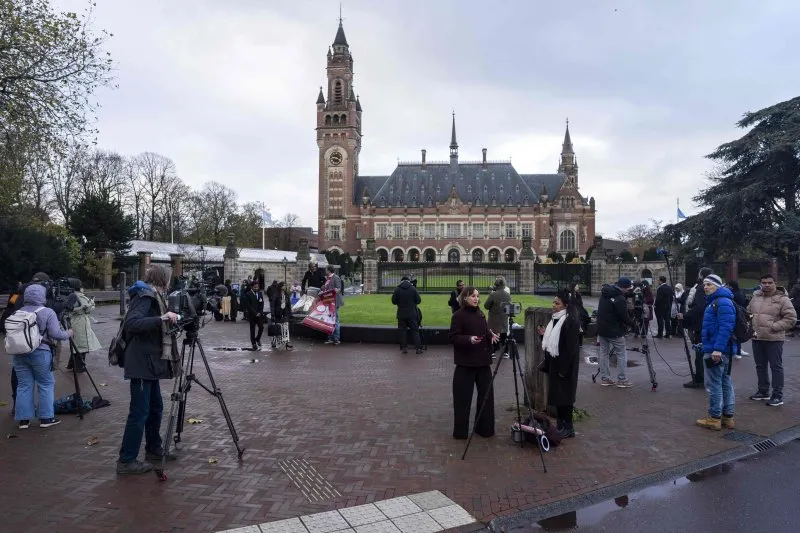
Myanmar has rejected a historic ruling by the International Court of Justice (ICJ) that found the country responsible for genocide against its Rohingya minority, with a government spokesperson describing the decision as “not fair.”
The ruling, delivered on Thursday by the United Nations’ highest court, presented extensive evidence of atrocities committed against the mostly Muslim Rohingya population during the 2017 military crackdown in Myanmar’s western Rakhine state. The court highlighted the devastating impact of the violence, including the killing of thousands of civilians, widespread sexual violence against women and extreme violence against children.
Speaking at a press conference in Naypyidaw on Friday, Myanmar presidential spokesperson Khaing Khaing Soe criticised the court’s decision, pointing to the 9-6 vote among the 15 judges.
“Despite efforts from our side, when we look at the result, not all 15 judges agreed with the decision,” she said, adding that the ruling was not unanimous and describing it as unfair.
Myanmar has consistently denied allegations of genocide, maintaining that its military operations in 2017 were aimed at countering an insurgency following attacks that killed a dozen security personnel. However, the ICJ rejected the country’s justification that the operations were legitimate counter-insurgency measures.
In its judgment, the court stated that there was no evidence demonstrating that Myanmar’s forces had distinguished between Rohingya civilians and alleged insurgents during the clearance operations.
The case has drawn international attention to the suffering of the Rohingya community, many of whom were forced to flee their homes amid violence, destruction and fear. The ruling represents a significant moment in international efforts to address allegations of mass atrocities and seek accountability for crimes committed against vulnerable communities.
The ruling is more than a legal decision; it is a reminder that the voices of people who have endured violence, displacement and loss must not disappear behind political disagreements. For the Rohingya, justice, dignity, safety and the right to live without fear remain fundamental hopes that the international community cannot afford to overlook.