A brutal crackdown on protests across Iran has reportedly killed at least 648 people, including nine minors, according to Norway-based rights organization Iran Human Rights (IHR). The wave of demonstrations, which began over economic grievances, has escalated into one of the largest challenges to the Islamic Republic since the 1979 revolution. Thousands more are injured, and an estimated 10,000 people have been arrested, IHR said, though the true toll could be far higher, with some estimates suggesting more than 6,000 deaths.
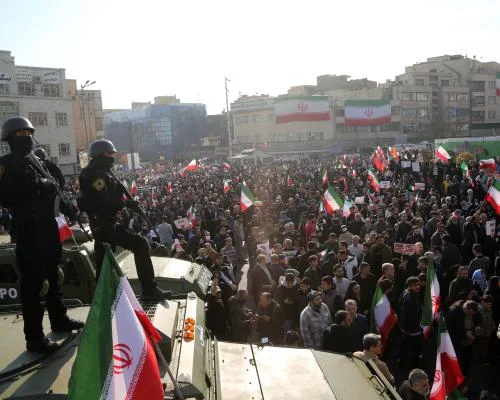
Iranian authorities staged mass pro-government rallies nationwide, with Supreme Leader Ayatollah Ali Khamenei calling the turnout a victory over what the state blames on “foreign interference.” In Tehran, crowds waved flags and offered prayers for those killed in the unrest, while parliament speaker Mohammad Bagher Ghalibaf described the country as fighting a “four-front war” — economically, psychologically, militarily with the US and Israel, and against domestic “terrorists,” a reference to protesters.
Meanwhile, the ongoing internet blackout, which NetBlocks reports has lasted four days, has made independent verification of deaths and arrests extremely difficult. IHR director Mahmood Amiry-Moghaddam called on the international community to protect civilians from further violence.
The situation has also drawn attention from the US, with President Donald Trump warning of potential military action if Iranian authorities continue to target protesters. Trump’s administration emphasized that diplomacy remains the priority, even as military options remain “on the table.”
The protests have drawn global condemnation, with the European Union considering further sanctions, and French President Emmanuel Macron denouncing “state violence against Iranian citizens demanding respect for their rights.” In response, Iran summoned diplomats from France, Germany, Italy, and the UK over their statements supporting protesters.
Despite the international attention, life on the streets of Tehran appears to be returning to normal, with state media showing flowing traffic and a decrease in protest activity, according to Tehran Governor Mohammad-Sadegh Motamedian. At the same time, funerals of security personnel killed during clashes have drawn large pro-government crowds, prompting the government to declare three days of national mourning.
At the human level, these events underscore the real cost of unrest. Families grieve for lost loved ones, communities are disrupted, and ordinary citizens live under the tension of fear and uncertainty. Beyond politics and international maneuvering, it is the people—those risking their lives to demand basic rights, and those mourning in silence—who bear the heaviest burden. Their voices and stories matter, and the world’s attention can be a lifeline in moments of crisis.