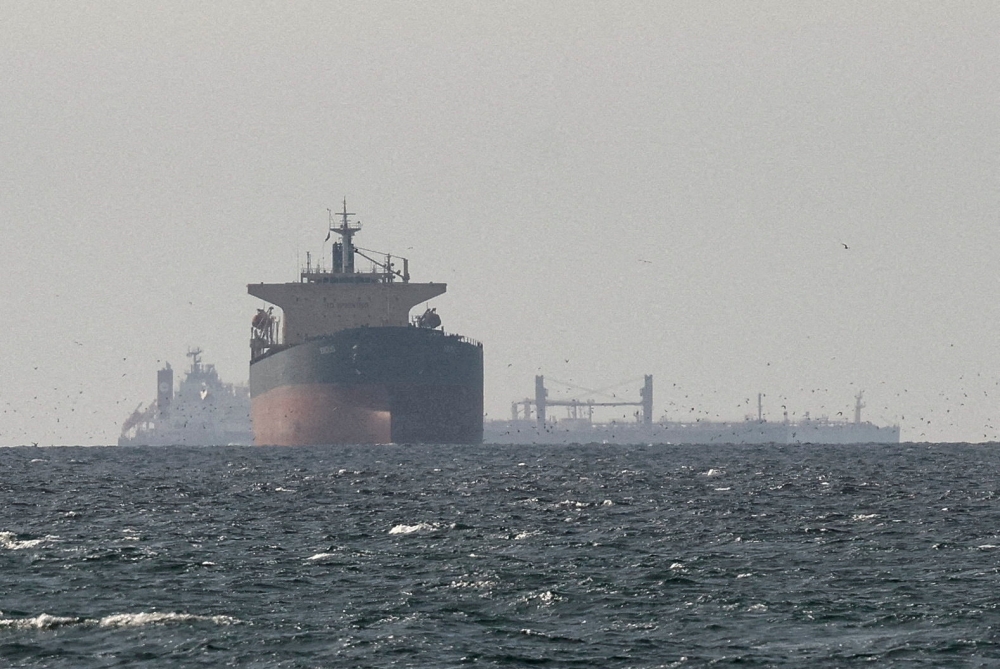
In a significant diplomatic development, Iran has agreed to allow 20 additional ships sailing under the Pakistani flag to pass through the strategically important Strait of Hormuz. The waterway has remained largely restricted for several weeks due to heightened tensions in the region, according to reports by Anadolu Ajansi.
Pakistan’s Foreign Minister, Ishaq Dar, confirmed the decision on the social media platform X, describing the move as a positive and constructive step that deserves recognition from the international community. He emphasized that such gestures can help restore trust and create a path toward stability in a region that has been experiencing serious geopolitical strain.
Dar highlighted that diplomacy and open dialogue remain the most effective tools for resolving conflicts. According to him, confidence-building measures like reopening limited maritime access are encouraging signals that could help reduce tensions and support peaceful solutions moving forward.
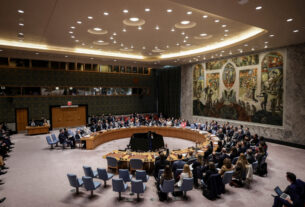
The development comes as Pakistan prepares to host a high-level quadrilateral meeting focused on the ongoing Middle East conflict. Scheduled to take place in Islamabad on Sunday, the meeting will bring together senior diplomats from Türkiye, Pakistan, Egypt, and Saudi Arabia. The discussions are expected to center on diplomatic strategies to de-escalate tensions as the conflict involving the United States, Israel, and Iran continues to impact the broader region.
The Strait of Hormuz, one of the world’s most crucial maritime routes for global energy and trade, has been effectively closed since early March following an escalation in hostilities that began on February 28. The restrictions disrupted a vital shipping corridor that normally sees heavy daily traffic.
Before the conflict intensified, an average of about 138 ships traveled through the strait each day. The reopening for Pakistani vessels, even on a limited scale, is being viewed by observers as a potentially important step toward easing maritime pressure and signaling a willingness among regional players to explore diplomatic solutions.
Beyond politics and strategy, this moment also reflects how nations can still choose cooperation during uncertain times. Every ship that safely passes through the Strait represents not just cargo or trade, but livelihoods, families, and economies connected across borders. Small diplomatic openings often become the first real steps toward larger peace efforts, reminding the world that dialogue still matters.