
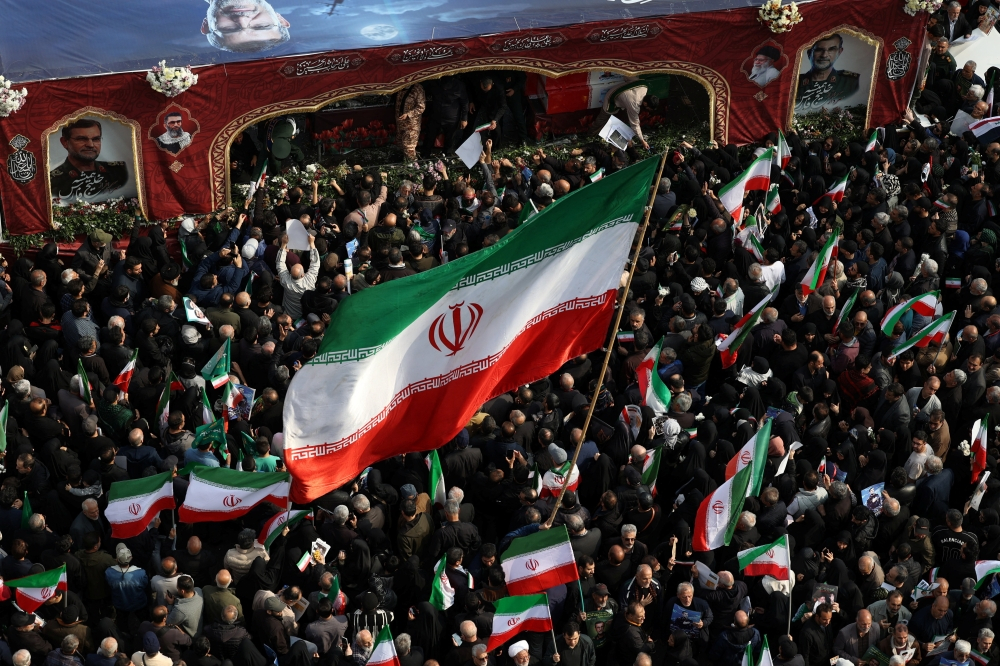
Iranian authorities have carried out the execution of a man accused of collaborating with the United States and Israel during a wave of anti-government protests earlier this year, according to official judicial sources.
The judiciary’s Mizan Online platform reported that the individual, identified as Ali Fahim, was executed after the country’s Supreme Court reviewed and upheld the verdict. Officials described him as one of several figures allegedly involved in what they termed “terrorist riots” that took place during the month of Dey, which corresponds to January in the Gregorian calendar.
The protests initially began in late December, driven by public frustration over rising living costs. What started as peaceful demonstrations soon escalated into widespread unrest across the country, reaching a peak in early January. Authorities have maintained that the situation evolved into organized violence influenced by foreign actors.
According to official statements, Fahim was accused of acting on behalf of what Iran refers to as hostile foreign entities, specifically Israel and the United States. The charges also included claims that he had infiltrated a classified military facility with the intent to obtain weapons.
The execution comes at a time of heightened tensions, as Iran continues to face conflict involving both Israel and the United States. The broader geopolitical situation has further intensified the narrative surrounding internal unrest and external influence.
Iranian officials have stated that the demonstrations, which began as peaceful gatherings, were later overtaken by violence, including incidents of vandalism and killings. The government has attributed these developments to what it describes as externally driven “terrorist activities.”
Casualty figures from the unrest remain disputed. Iranian authorities report that more than 3,000 people lost their lives, including security personnel and civilians. In contrast, the US-based Human Rights Activists News Agency (HRANA) estimates the death toll to be over 7,000, with a majority believed to be protesters. The organization has suggested that the actual number could be even higher.
At its core, this story is not just about politics or power—it reflects a deeper human reality. Behind every number is a life, a family, and a story that will never be fully told. Moments like these remind us how quickly unrest can reshape lives, and how narratives can differ depending on who is telling the story. In a world filled with conflicting voices, the human cost often becomes the quietest, yet most important truth to remember.