Africa’s latest Ebola outbreak is raising growing concern as Nigeria confirms its first case and Kenya reports its ninth, highlighting the urgent need for stronger regional cooperation, rapid detection and effective public health measures.
The case in Nigeria, Africa’s most populous country, was identified in a woman who travelled from Uganda to the capital, Abuja. Nigerian health authorities confirmed that she had been admitted to a private hospital, where she received treatment for several days before the diagnosis was established. She is now in isolation and receiving medical care.
The outbreak involves the Bundibugyo strain of Ebola, a serious viral disease that can cause severe illness and death. Since a major outbreak was declared in the Democratic Republic of Congo (DRC) in May, infections have spread across several African countries, including Uganda, with cases now reported in West and East Africa.
Jean Kaseya, director general of the Africa Centres for Disease Control and Prevention (Africa CDC), described the outbreak as an unprecedented geographical challenge. He warned that its spread across multiple countries and three African regions had created an increasingly serious public health emergency.
According to figures cited by health authorities in the original report, the outbreak in the DRC had resulted in thousands of deaths and more than 9,000 confirmed cases. The reported mortality rate was approaching 50%, intensifying concerns about the outbreak’s potential impact on communities and already stretched healthcare systems.
Africa CDC calls for urgent international support
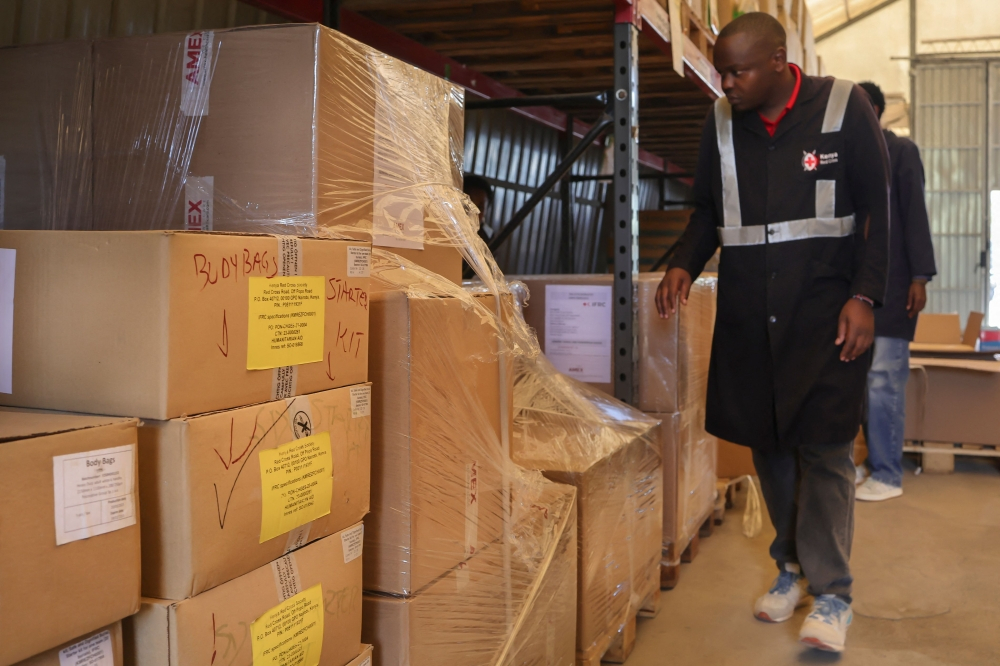
Jean Kaseya has urged the international community to respond quickly with financial assistance, medical supplies and healthcare personnel. He stressed that a coordinated response is essential to limit further transmission, protect frontline workers and support affected communities.
The spread of Ebola across national borders makes cooperation particularly important. Countries need to strengthen surveillance, share information promptly, identify infections early and ensure that suspected cases receive appropriate care without unnecessary delays.
Kenya has also stepped up its response following the confirmation of its first case on October 6. The initial patient was a businessman in his forties who had lived in the Democratic Republic of Congo. He died in Nairobi on October 5, according to the report.
Most of the subsequent cases in Kenya were linked to close contact with the first patient. The country’s ninth case involves a 24-year-old man described by the health ministry as a close family member of the initial case.
Authorities said the man had already been placed in quarantine before developing symptoms. He was isolated when he first became ill, tested for Ebola and started treatment immediately after his positive result was confirmed.
The developments have also raised international travel concerns. The United States issued a warning advising its citizens against travelling to Kenya because of health risks associated with the outbreak.
Nigeria begins contact tracing to contain transmission
In Nigeria, health authorities have begun contact tracing to identify people who may have been exposed to the infected woman. At the time of the original announcement, officials had identified 44 close contacts.
Public health teams are monitoring potentially exposed individuals, including healthcare workers, hospital patients, caregivers and people who may have encountered the patient during her journey.
Contact tracing is a critical part of controlling Ebola outbreaks. By identifying and monitoring exposed individuals, health authorities can detect symptoms early, arrange testing and isolation when necessary, and reduce the risk of further transmission.
Nigeria’s experience with previous Ebola threats has made preparedness an important part of its public health response. However, the confirmation of a new case means authorities must remain vigilant, communicate clearly with the public and ensure that hospitals follow appropriate infection prevention and control procedures.
Meanwhile, Uganda’s health ministry stated that there were no confirmed active Ebola cases in the country at the time of its announcement. Officials also cautioned that travelling through Uganda does not, by itself, prove that an infection originated there.
The case in Nigeria marks the country’s first registered Ebola case since 2014, according to the original report, making the development particularly significant for West Africa.
Why early action matters
Ebola outbreaks demand a fast, coordinated and evidence-based response. Early diagnosis, isolation of suspected cases, contact tracing, appropriate medical care and strong infection control measures can help limit the spread of the virus.
Public communication is equally important. People need accurate information about symptoms, potential exposure and where to seek medical attention. Misinformation, stigma and fear can discourage individuals from reporting symptoms or seeking help, making outbreak control more difficult.
Healthcare workers also require adequate protective equipment, training and support to care for patients safely. At the same time, governments and international health organisations must work together to ensure that affected communities have access to essential medical services and reliable guidance.
As cases emerge across more than one region of Africa, the outbreak underscores how quickly infectious diseases can create challenges that extend beyond national borders. Preparedness, transparency and timely international assistance will be vital in preventing further spread.
A shared responsibility to protect lives
Behind every confirmed case is a person, a family and a community facing uncertainty. The consequences of an outbreak extend beyond hospitals and official statistics, affecting livelihoods, travel, public confidence and access to everyday healthcare.
The situation in Nigeria and Kenya is a reminder that public health emergencies require more than warnings and declarations. They require practical support, responsible communication and swift action from governments, medical professionals, international organisations and communities.
The priority now is to identify infections early, protect those at risk and prevent further transmission. A coordinated response can make a meaningful difference, but delays and gaps in healthcare support can make an already difficult situation harder to control.
As the outbreak continues to develop, accurate information and cooperation will remain essential. Protecting lives depends on acting early, supporting frontline healthcare teams and ensuring that no affected community is left to face the crisis alone.