Senior officials from France, Saudi Arabia, and the United States are set to meet the head of the Lebanese army in Paris today, with a high-stakes goal: shaping a clear and workable roadmap for the disarmament of Hezbollah. Diplomats say the discussions are focused on building a mechanism that can stabilize an increasingly fragile ceasefire between Israel and Lebanon.
The ceasefire, brokered by the United States in 2024, brought an end to more than a year of intense fighting between Israel and the Iran-backed Hezbollah group. That conflict left Hezbollah significantly weakened, but peace has remained uneasy. Both sides have repeatedly accused each other of violating the agreement, while Israel has openly questioned whether the Lebanese army is doing enough to curb Hezbollah’s military presence.
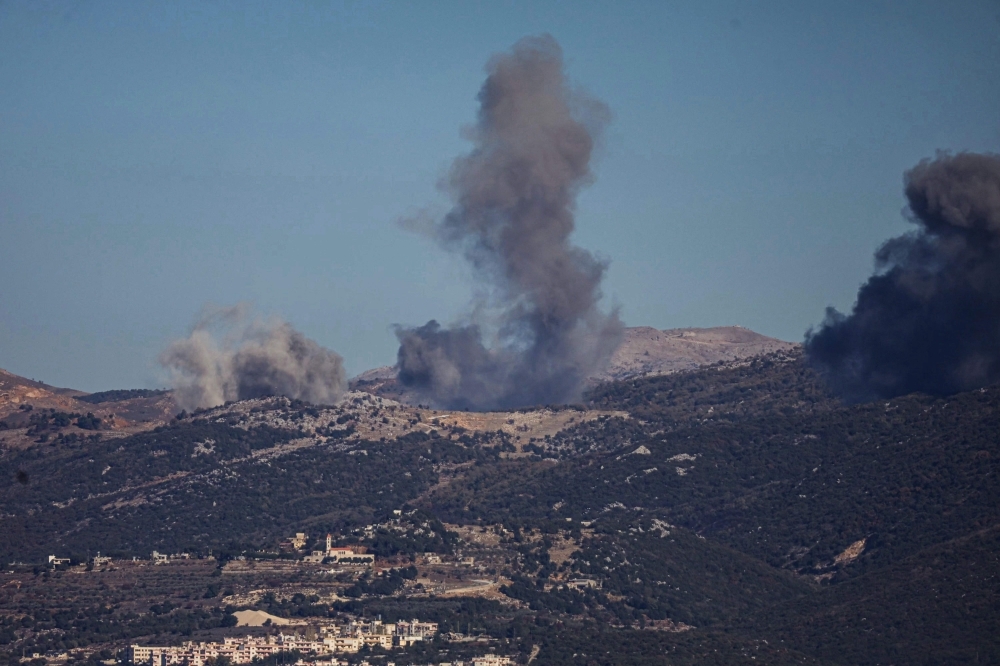
In recent weeks, tensions have escalated further. Israeli airstrikes have intensified, hitting Hezbollah targets in southern Lebanon and even areas around the capital, raising fears that the ceasefire could collapse altogether.
Ceasefire Under Pressure
Against this backdrop, the Paris talks are seen as a crucial attempt to prevent further escalation. According to European and Lebanese diplomats, the meeting aims to strengthen the existing ceasefire framework by creating clearer systems to identify, support, and verify any steps toward disarmament. A key objective is also to deter Israel from widening its military campaign.
Political uncertainty inside Lebanon adds another layer of complexity. With parliamentary elections scheduled for 2026, diplomats warn that internal divisions and political paralysis could deepen instability. This may limit President Joseph Aoun’s willingness or ability to push forward a sensitive disarmament process.
One senior official, speaking anonymously, described the moment as dangerously unstable, saying the situation is “extremely precarious” and could ignite with very little warning. The official noted that President Aoun is cautious about making the disarmament process too visible, fearing it could inflame tensions with the Shi’ite community in southern Lebanon.
Given the Lebanese army’s limited capacity to take on Hezbollah alone, diplomats say the current thinking involves reinforcing the ceasefire mechanism. This could include the involvement of French, US, and possibly other international military experts, working alongside UN peacekeeping forces already on the ground.
There are also plans to convene two international conferences early next year: one to strengthen and support the Lebanese army, and another to accelerate reconstruction efforts, particularly in southern Lebanon, which has borne the brunt of the conflict.
Israeli Strikes Continue
Even as officials gathered for talks, violence continued on the ground. Lebanon’s state news agency reported multiple Israeli strikes on towns in southern Lebanon and areas of the Bekaa Valley. The Israeli military said it targeted Hezbollah facilities, including training compounds, weapons depots, and artillery launch sites, arguing that such activity violated the ceasefire understandings and posed a direct threat to Israel. It also confirmed the killing of a Hezbollah militant near Taybeh in southern Lebanon.
Reacting to the strikes, Lebanese parliament speaker and Amal Movement leader Nabih Berri, an ally of Hezbollah, described the attacks as a clear “Israeli message” directed at the Paris conference.
As diplomats meet behind closed doors, the message from the region is unmistakable: time is running out. Without concrete steps, trust, and international backing, the ceasefire risks unraveling, with consequences that could once again pull Lebanon and Israel into a wider and more destructive conflict.