
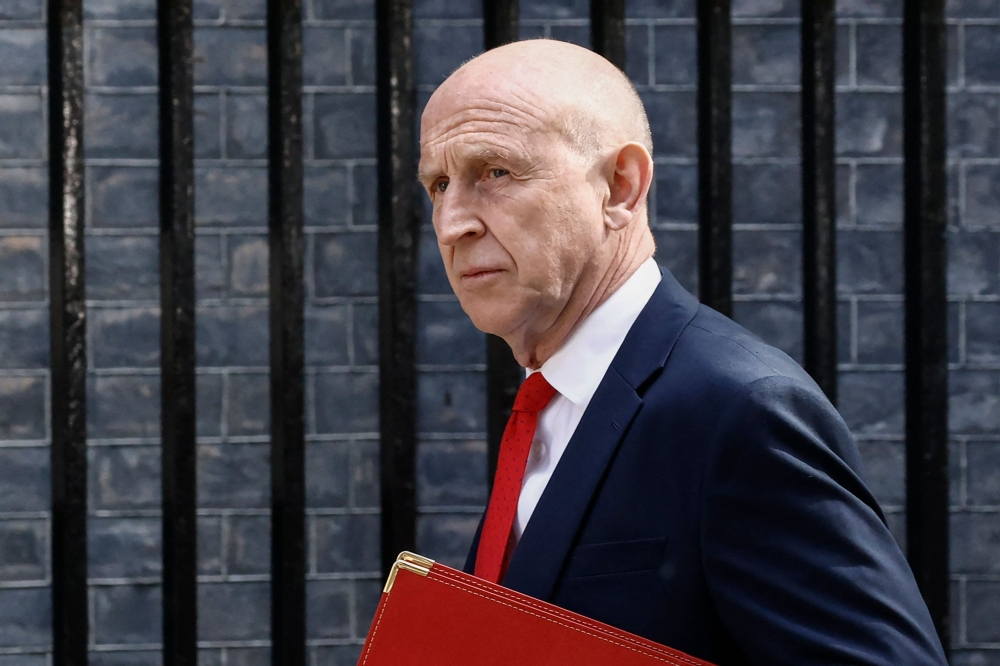
Britain’s political landscape was shaken after Defence Secretary John Healey resigned, delivering a sharp warning that the government’s current defence spending strategy could leave the nation increasingly vulnerable during a period of growing international threats.
Healey announced his resignation after expressing frustration over what he described as inadequate financial commitments toward national defence. In a strongly worded resignation letter addressed to Prime Minister Keir Starmer, he argued that both the Prime Minister and the Treasury had failed to allocate the resources necessary to ensure the country’s security.
According to Healey, the long-awaited Defence Investment Plan (DIP), which outlines military funding priorities over the next decade, falls significantly short of what Britain’s armed forces require to meet modern security challenges. He stated that accepting a settlement that does not adequately equip military personnel was impossible, leaving resignation as his only option.
His departure comes at a particularly sensitive time for Starmer, whose leadership is already facing scrutiny ahead of an important parliamentary by-election. The resignation has intensified political pressure and raised questions about the government’s ability to maintain unity on national security matters.
In response, Prime Minister Starmer defended his administration’s approach, insisting that the planned investments would modernize and strengthen Britain’s armed forces. He reaffirmed his commitment to national security, stating that his government would continue taking necessary measures to protect the country.
The political fallout expanded further when Armed Forces Minister Al Carns resigned later the same day, along with Pamela Nash, a close aide to Healey. Their departures have added to growing concerns about internal disagreements within the government regarding defence priorities.
Dan Jarvis, a former army officer and experienced Labour politician, has been appointed as the new Defence Secretary. He transitions into the role from a junior ministerial position within the Home Office and now faces the challenge of restoring confidence in Britain’s defence strategy.
The Defence Investment Plan has experienced multiple delays, frustrating defence experts, military leaders, and industry stakeholders. Although the government has pledged to publish the plan before the upcoming NATO summit in Turkey, questions remain about whether future funding commitments will satisfy security experts.
The UK government has promised to increase defence spending as a percentage of economic output over the coming years. However, Healey argued that the proposed levels remain insufficient given the current geopolitical climate, particularly amid concerns about Russia’s military activities and ongoing international instability.
Several political figures have echoed concerns over the resignation. Tan Dhesi, chair of Parliament’s Defence Committee, described the development as a serious moment for the government and urged ministers to take Healey’s warnings with the highest level of urgency.
The resignation also fuels speculation about future leadership challenges within the Labour Party. While Healey’s departure has not been officially linked to leadership ambitions, political observers note that his decision arrives amid increasing discussions about Labour’s direction and long-term leadership prospects.
Political analysts suggest the event represents more than a simple cabinet reshuffle. It highlights growing tensions between fiscal responsibility and national security priorities, a balancing act many governments across Europe are currently facing.
As Britain prepares for critical NATO discussions and navigates an increasingly uncertain global security environment, the government’s ability to deliver a clear and credible defence strategy will likely remain under intense public and political scrutiny.
For many observers, Healey’s resignation serves as a reminder that defence policy is not merely about budgets and percentages—it is ultimately about ensuring the safety, preparedness, and resilience of a nation facing a rapidly changing world.