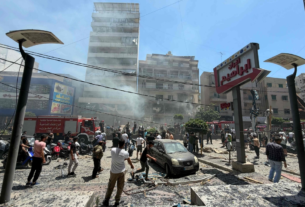
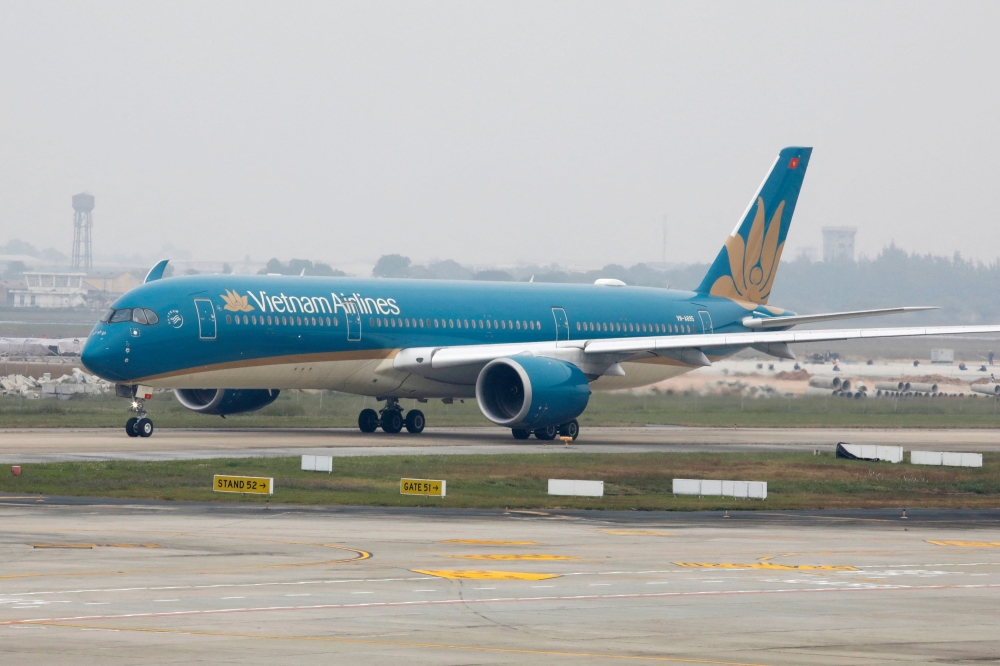
Vietnam Airlines, the country’s flagship carrier, has announced a temporary suspension of nearly two dozen domestic flights weekly starting April 1, a move driven by a sudden shortage of aviation fuel caused by the ongoing Mideast conflict. This unexpected decision is not just a logistical adjustment; it’s a stark reminder of how geopolitical crises ripple across industries and impact daily lives.
The Fuel Crisis Behind the Flight Cuts
The price of jet fuel has skyrocketed since the war in the Middle East began over three weeks ago. Aviation authorities in Vietnam confirmed that limited supplies of Jet A-1 fuel are forcing airlines to reassess flight schedules to prevent operational disruptions. While major domestic and international routes will continue, travelers on affected routes must prepare for cancellations and rescheduling.
This is not an isolated issue. Across the globe, airlines like United Airlines have already begun reducing flight capacities due to surging fuel costs, highlighting the global sensitivity of aviation to geopolitical tensions.
How Vietnam Airlines and the Government Are Responding
Vietnam Airlines, together with other carriers, is exploring options to stabilize operations. Potential fuel surcharges for international flights may be introduced starting April, while the government is actively seeking international fuel support. Recent discussions and agreements with countries such as Qatar, Kuwait, Algeria, Japan, and Russia aim to secure alternative energy sources and stabilize supply chains.
The finance ministry has also proposed halving environmental protection taxes on gasoline, diesel, and aviation fuel. This initiative aims to ease the financial burden on both airlines and consumers, while indirectly supporting the broader industrial and economic landscape in Vietnam.
The Wider Economic Impact
The energy crunch is not limited to airlines. Fuel prices in Vietnam’s manufacturing hubs have surged dramatically, with 95-octane petrol up 50 percent and diesel up 70 percent since late February. These price hikes threaten to impact logistics, production costs, and ultimately, consumers.
Other regional airlines are also feeling the pressure. Myanmar’s national carrier announced domestic flight cancellations citing “unavoidable circumstances,” signaling a potential regional aviation disruption if fuel shortages persist.
What Travelers Need to Know
Check Flight Schedules: Passengers must monitor airline notifications for potential cancellations or rescheduling.
Plan Ahead: If you are traveling within Vietnam, especially on secondary domestic routes, consider adjusting your travel plans in advance.
Expect Possible Surcharges: International travelers may face fuel surcharges starting April.
Urgency and Action
The situation is fluid and evolving rapidly. Travelers, businesses, and logistics providers should act immediately to mitigate risks and plan for contingencies. Vietnam Airlines’ decision is a clear signal that fuel shortages can have tangible effects on mobility and the economy. Stakeholders must stay informed and proactive to navigate the uncertainty.
The Mideast conflict is sending shockwaves far beyond the Gulf region, affecting global fuel supply chains, aviation stability, and economic planning in Southeast Asia. Awareness and preparation are not optional—they are essential for anyone relying on these critical transport networks.