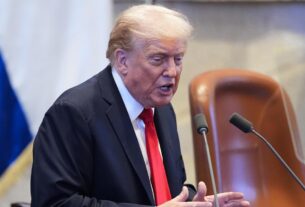
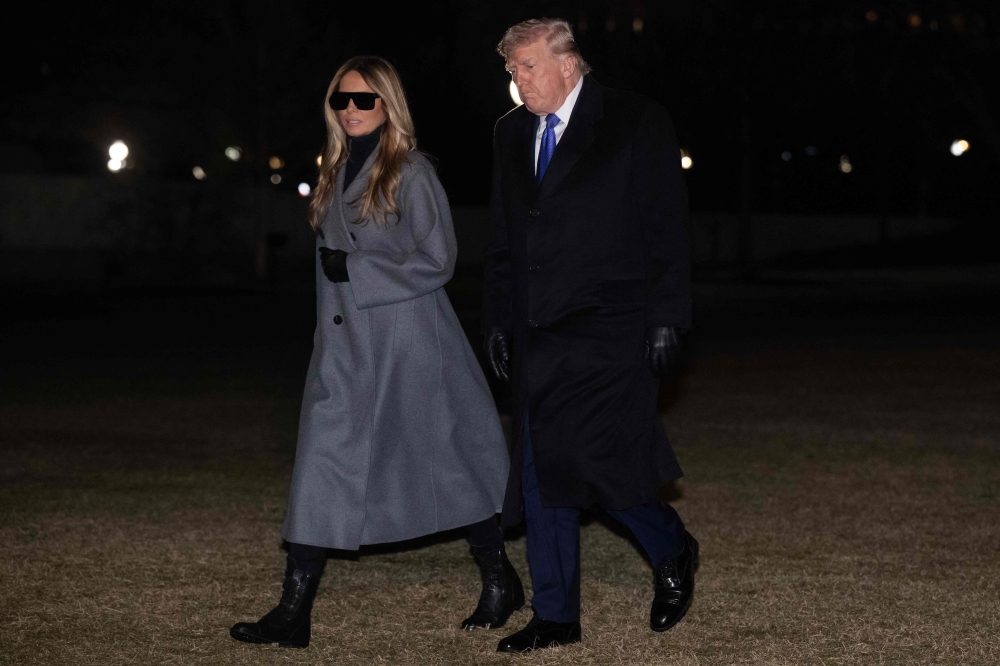
Tensions between Washington and Tehran are once again under the global spotlight as high-stakes talks begin in Geneva. On the eve of the negotiations, former US President Donald Trump issued a strong warning to Iran, signaling that failure to reach an agreement could bring serious consequences.
Speaking to reporters aboard Air Force One while traveling to Washington, Trump made it clear that although he would not be physically present at the negotiating table, he would be closely involved.
“I’ll be involved in those talks, indirectly,” he said. “I don’t think they want the consequences of not making a deal.”
The discussions, scheduled to take place in Geneva and mediated by Oman, come at a time of deep mistrust and fragile diplomacy. The dialogue follows months of escalating rhetoric and long-standing disagreements over Iran’s nuclear program, regional influence, and ballistic missile development.
What Is Driving the Talks?
The United States and several European powers have long expressed concern that Iran’s nuclear activities could be aimed at developing a nuclear weapon. Tehran has consistently denied these allegations, insisting that its nuclear program is solely for peaceful, civilian purposes.
Beyond the nuclear file, Washington has sought broader negotiations. These include discussions around Iran’s ballistic missile capabilities and its alleged support for armed groups across the Middle East—issues that remain highly sensitive and politically charged.
Iran’s Foreign Ministry indicated earlier this week that it believes the US position on the nuclear issue has “moved towards a more realistic one.” That statement suggests cautious optimism from Tehran, though significant gaps between the two sides remain.
A History of Collapsed Negotiations
The current round of diplomacy carries the weight of recent history. A previous attempt at negotiations broke down dramatically after Israel launched surprise strikes on Iranian targets, igniting a 12-day conflict. The United States later joined the confrontation, targeting Iranian nuclear facilities in a move that intensified global concerns about a wider regional war.
That episode left deep scars on diplomatic efforts. Trust was shattered, and tensions soared. Now, negotiators are attempting to reopen channels of communication amid lingering hostility and strategic calculations.
Why Geneva Matters
Geneva has long been a neutral ground for critical international negotiations. The involvement of Oman as mediator signals a renewed effort to create space for compromise and de-escalation. Oman has historically maintained diplomatic ties with both sides and has played a quiet but crucial role in previous backchannel communications.
The stakes are high. A breakthrough could ease sanctions, reduce the risk of military confrontation, and reshape security dynamics across the Middle East. Failure, however, could deepen isolation, trigger further economic pressure, or even open the door to military escalation.
The Global Impact
These talks are not just about two nations. Energy markets, regional alliances, and global security are all tied to the outcome. Any escalation could disrupt oil supplies, affect international trade, and increase geopolitical instability.
European nations are watching closely. So are Gulf states. So is Israel. For many governments, the question is not just whether an agreement will be reached—but what kind of agreement it will be, and whether it can hold.
Beyond Politics: The Human Cost
Behind every headline about nuclear programs and military warnings are millions of ordinary people whose lives are shaped by these decisions.
In Iran, years of sanctions have strained the economy, impacting families, businesses, and young people searching for opportunity. In the United States, policymakers weigh national security concerns against the risks of prolonged conflict. Across the Middle East, communities continue to hope that diplomacy will prevail over confrontation.
For the world, this is more than a strategic chess game. It is about stability, peace, and the possibility of reducing tensions in a region that has endured decades of uncertainty.
As Geneva hosts yet another attempt at dialogue, the question remains: will leaders choose compromise over conflict, or will the warning of “consequences” become a turning point toward further escalation?
The world is watching.