
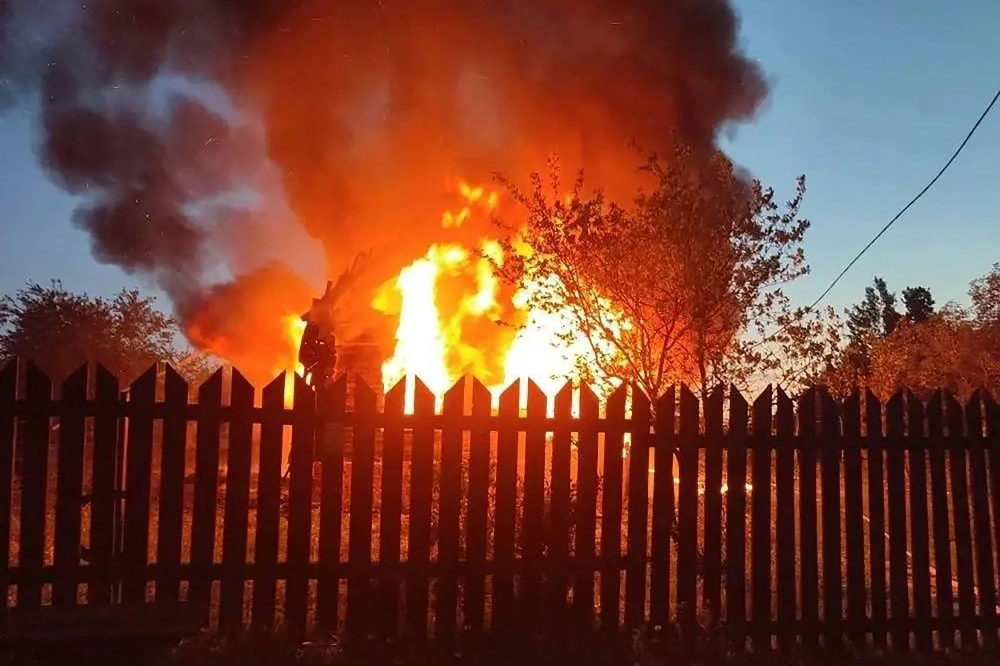
Russia has launched a massive three-day nuclear weapons exercise involving thousands of troops and advanced military equipment, signaling rising tensions as the war in Ukraine continues to escalate.
According to Russia’s Defence Ministry, the drills began on May 19 and will continue until May 21, 2026. The exercise is focused on preparing and deploying nuclear forces in response to what Moscow describes as a potential threat of aggression.
The military operation includes more than 65,000 personnel and nearly 7,800 units of military equipment. Over 200 missile launchers are reportedly participating, alongside aircraft, warships, submarines, and nuclear submarines.
Russian officials also confirmed that ballistic and cruise missile launches will be tested during the exercise.
The drills come at a highly sensitive moment in global politics. Over the past four years of conflict in Ukraine, Russia has repeatedly highlighted its nuclear capabilities while warning Western nations against deeper involvement in the war.
Tensions have further increased following the collapse of the New START treaty earlier this year. The agreement, previously signed between Russia and the United States, had placed limits on the deployment of strategic nuclear weapons. Its expiration has effectively removed several restrictions on the world’s two largest nuclear powers.
Russia’s Defence Ministry added that part of the exercise will focus on joint nuclear coordination with Belarus. Moscow has already stationed the nuclear-capable Oreshnik missile system in Belarus, a close ally bordering NATO territory.
The announcement also comes just hours before Russian President Vladimir Putin departed for a two-day diplomatic visit to China, a move analysts believe could further strengthen military and strategic ties between the two nations.
As drone attacks between Russia and Ukraine continue to increase, global leaders are closely monitoring the situation amid fears that the conflict could move into an even more dangerous phase.
The latest nuclear drills serve as another reminder of how fragile the international security landscape has become, with growing concerns about military escalation and global stability.