
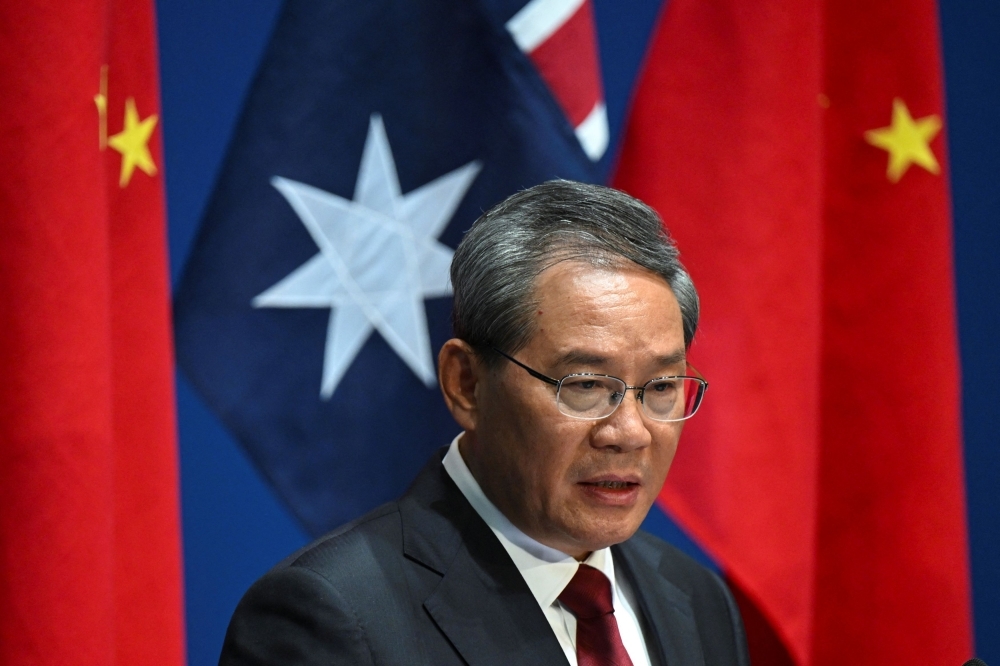
China’s Premier Li Qiang will not hold a meeting with Japanese Prime Minister Fumio Kishida during the upcoming G20 summit in South Africa, the Chinese foreign ministry confirmed today. This decision comes amid escalating tensions over Taiwan, a sensitive issue that has recently strained Sino-Japanese relations.
Spokesperson Mao Ning emphasized during a regular press briefing that recent comments by the Japanese prime minister regarding Taiwan have seriously damaged the political foundation between the two nations. Mao urged Japan to retract what Beijing considers “wrongful” remarks.
Earlier this month, Japanese lawmaker Sanae Takaichi told parliament that a Chinese attack on Taiwan, a democratically-governed island claimed by Beijing as part of its territory, could prompt a military response from Japan. This statement has further inflamed diplomatic sensitivities between the neighboring countries.
The decision not to meet highlights the deepening rift between China and Japan at a time when global leaders are converging to discuss international economic and geopolitical issues. Analysts say this could complicate regional stability and underscores the delicate balance of diplomacy in East Asia.
In the end, beyond the political statements and strategic posturing, the situation reminds us of how fragile peace can be and how crucial dialogue remains. The choices of leaders affect not just governments but millions of lives who hope for stability and cooperation in the region.


