Iran has ruled out immediate participation in fresh negotiations with the United States, signaling a deepening diplomatic rift just days before a fragile Middle East ceasefire is set to expire.
State media confirmed that Tehran currently has “no plans” to attend proposed talks in Pakistan, despite a push from Donald Trump, who recently instructed American negotiators to head to Islamabad in hopes of restarting dialogue.
Tensions Explode at Sea
The situation intensified dramatically after a US naval destroyer intercepted and fired upon an Iranian-flagged cargo vessel in the Gulf of Oman. According to Trump, the ship attempted to breach a US-imposed naval blockade on Iranian ports and was stopped forcefully, with damage inflicted on its engine room before US Marines seized control.
Washington claims the vessel, identified as Touska, is under sanctions due to alleged past illegal activities. Tehran, however, sees the incident as a direct act of aggression.
Iranian officials swiftly condemned the move, warning of imminent retaliation and labeling the seizure as “armed piracy.”
Blockade Becomes Breaking Point
At the heart of the standoff lies the US blockade of Iranian ports — a move designed to choke off Tehran’s oil revenues but widely criticized by Iran as collective punishment.
Iranian media outlets and officials have made it clear: lifting the blockade is a non-negotiable precondition for any future talks.
Without that, negotiations are seen as pointless.
Ceasefire Near Collapse
The crisis unfolds with urgency as the region approaches the end of a two-week ceasefire that temporarily halted a broader conflict sparked by US-Israeli strikes on Iran earlier this year.
So far, diplomatic efforts have yielded little progress. A single round of talks held in Islamabad earlier this month ended without resolution, and the overall atmosphere remains tense and uncertain.
Despite Trump calling his proposal a “very fair and reasonable deal,” his simultaneous threats against Iran’s infrastructure have only hardened Tehran’s stance.
Strait of Hormuz: The Global Pressure Point
The stakes extend far beyond diplomacy.
Iran’s earlier move to restrict access to the Strait of Hormuz — a critical artery for nearly 20% of the world’s oil and gas supply — has already shaken global markets.
Although briefly reopened, the waterway has once again fallen silent, with shipping activity nearly nonexistent due to escalating threats and military presence.
Iran’s Revolutionary Guards have issued stark warnings: any vessel attempting passage without approval could be treated as hostile.
Rising Military and Political Pressure
Meanwhile, preparations in Pakistan signal how seriously the situation is being taken.
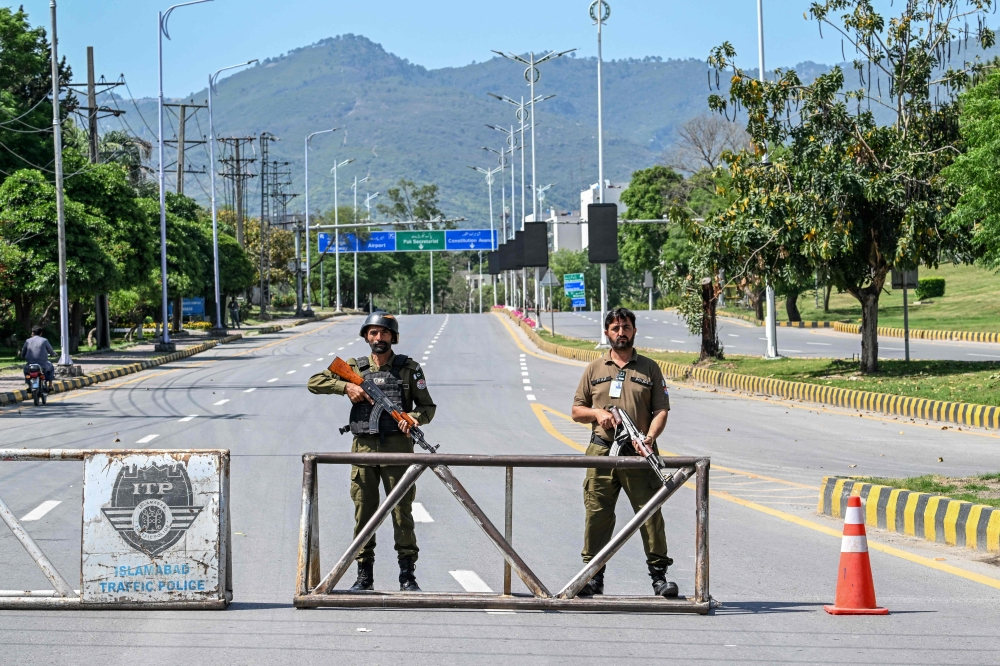
Security has been tightened across Islamabad and nearby Rawalpindi ahead of the anticipated arrival of a US delegation reportedly led by JD Vance, along with key figures like Steve Witkoff and Jared Kushner.
Yet, even before talks could begin, Iran’s refusal casts doubt over whether diplomacy can keep pace with rising tensions.
Nuclear Dispute Adds Fuel
Another major sticking point is Iran’s enriched uranium stockpile.
Trump claimed Iran had agreed to surrender it, but Tehran has firmly denied this, insisting its nuclear program is a legal right and non-negotiable.
President Masoud Pezeshkian questioned why Iran should give up what it considers sovereign capabilities, reinforcing the widening gap between both sides.